
 ไทย
 English
 日本語
How to Calculate Cold Insulation Thickness to Prevent Dew Point Condensation
A pipe or tank running colder than the surrounding air will sweat if it isn’t insulated correctly, dripping water onto the floor, damaging structures, and degrading the insulation faster than it should. The usual assumption is that a “thicker wrap” fixes it. In reality, cold insulation thickness has to be calculated from the dew point of the surrounding air, not estimated.
Why “Thick Enough” Doesn’t Guarantee No Condensation
Cold insulation works on a different principle than thermal (hot) insulation. Hot insulation aims to reduce heat loss; cold insulation must keep the insulation’s outer surface temperature above the surrounding air’s dew point at all times. If the outer surface drops below the dew point at even one spot, water vapor condenses there instantly. Using a thermal-insulation thickness table for a cold line is usually not thick enough, because the two are sized on entirely different principles.
Variables That Determine the Thickness You Need
- Pipe or tank surface temperature: the colder it runs, the thicker the insulation needs to be to push the outer surface above the dew point.
- Ambient temperature and relative humidity: higher relative humidity means a higher dew point, which in turn requires more thickness.
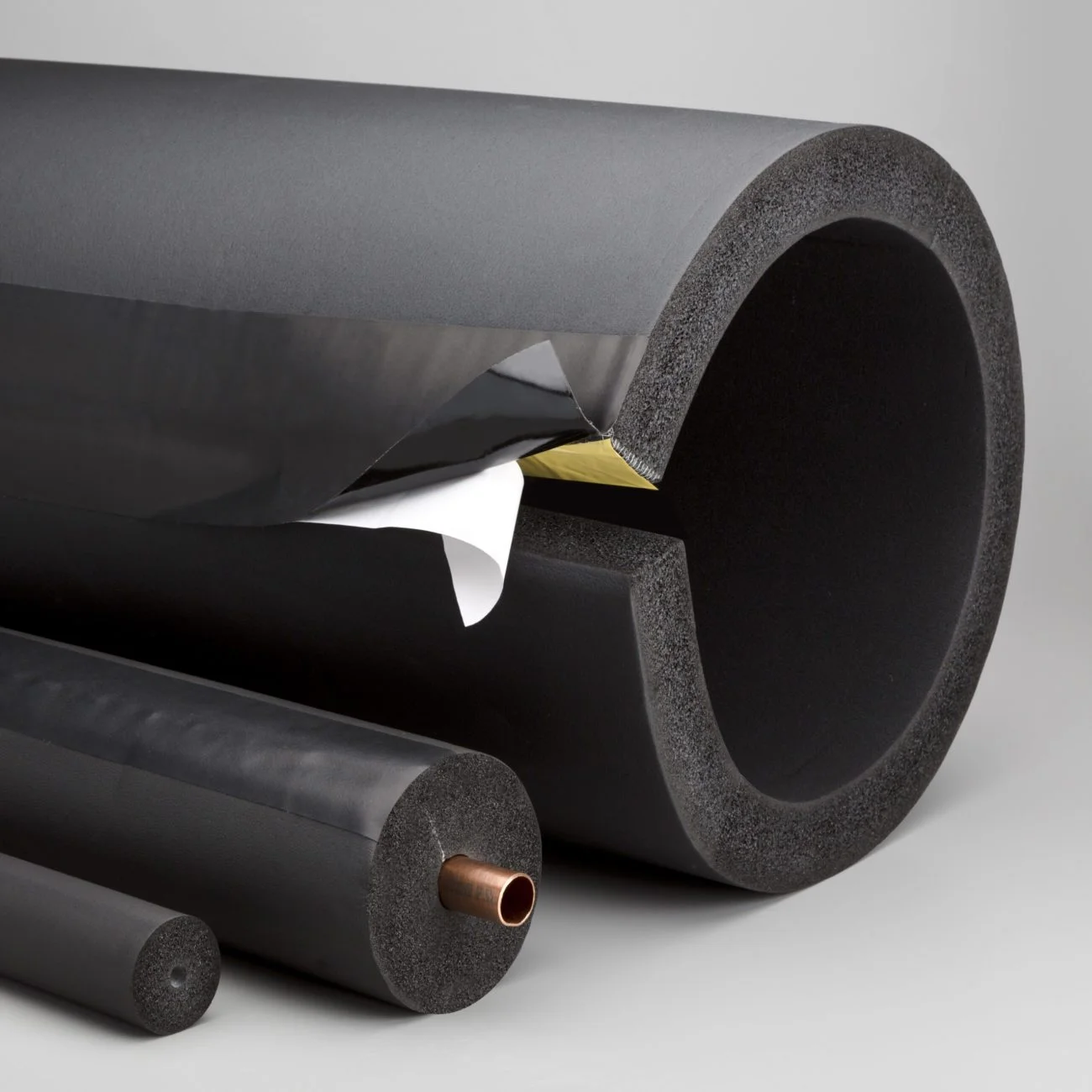
- The insulation material’s thermal conductivity (k-value): different materials conduct heat differently — the calculation needs the actual value of the material being used, not an estimate.
- Vapor barrier integrity: even a correctly calculated thickness fails if the vapor barrier is breached anywhere — moisture migrates in and condenses inside the insulation itself.
The General Calculation Approach
Sizing correctly means choosing a thickness that keeps the insulation’s outer surface above the dew point under the most humid conditions the system will see across the year, not an average condition. In Thailand that means calculating from rainy-season relative humidity, which runs far higher than the dry season. A system sized only for dry-season conditions will sweat as soon as the rainy season arrives.
Common Mistakes Seen on Site
- Using a thermal-insulation thickness table for a cold line: the two follow different principles, so the resulting thickness usually falls short.
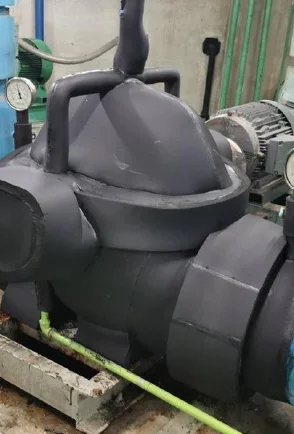
- Vapor barrier breaks at seams or supports: commonly overlooked points include the joints between insulation sections, hanger/support points, and the areas around valves and fittings.
- Not accounting for peak seasonal humidity: sizing from the driest conditions on record causes the system to fail once humidity rises.
- Gaps left around valves and fittings: these more complex shapes are often wrapped incompletely, making them the first place condensation appears.
Summary
Preventing condensation on cold insulation isn’t only about thickness — it requires calculating from the actual dew point of the installation site and keeping the vapor barrier intact everywhere. Centrotec’s team can advise on cold insulation thickness calculations and install a fully sealed vapor-barrier system. Get in touch to discuss your system.