
 English
Touch-Safety Insulation for Hot Tanks and Pressure Vessels: Preventing Contact Burns
Process tanks and pressure vessels that run hot can expose nearby workers to accidental contact burns if they aren’t insulated, or aren’t insulated everywhere. This article covers “touch safety” sizing — choosing insulation thickness to keep outer surface temperature safe to touch, which is a different criterion from the economic-thickness calculation covered in an earlier article.
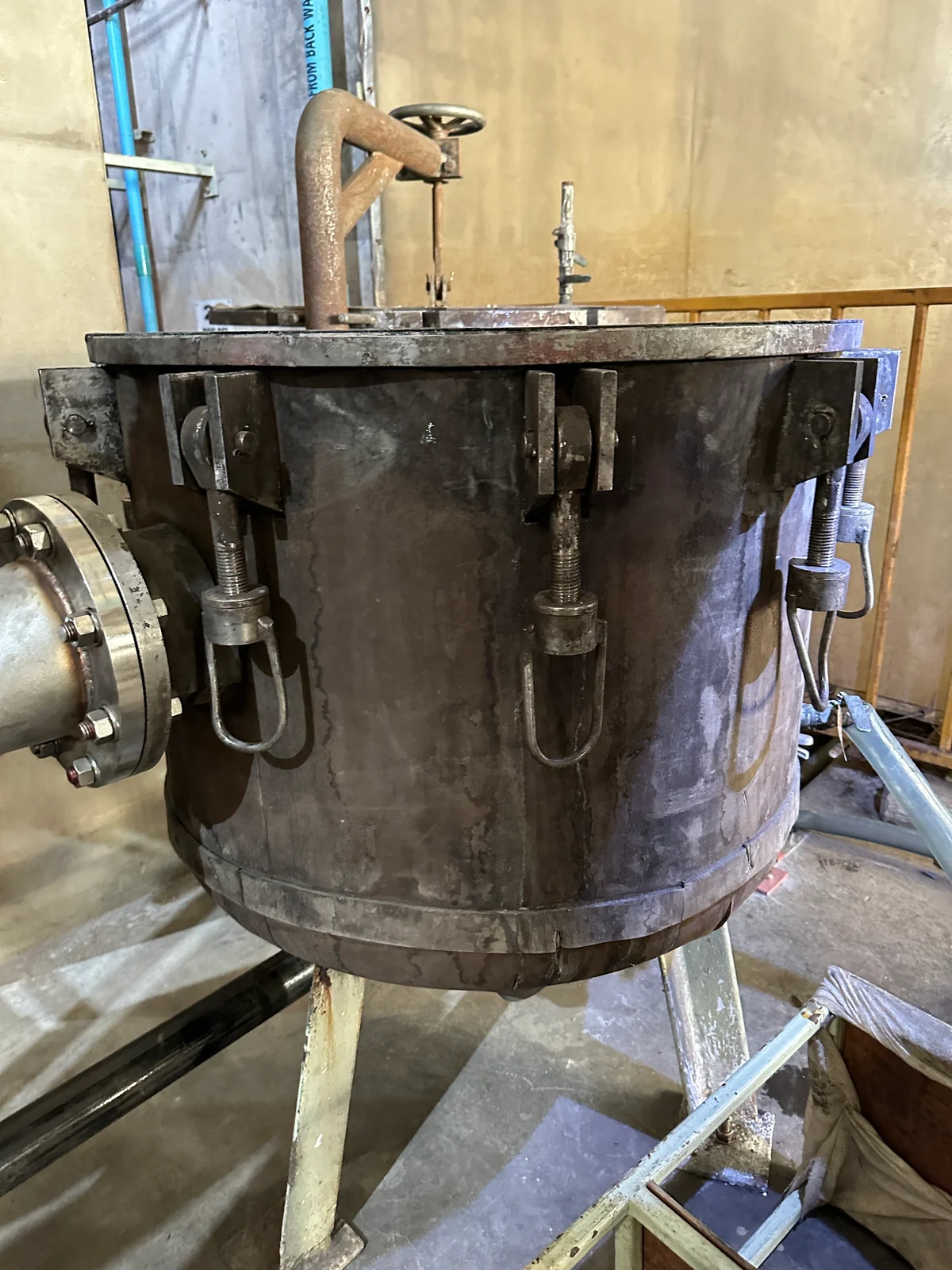
What Touch Safety Means, and How It Differs from Economic Thickness
Economic thickness calculations size insulation to minimize heat loss cost-effectively. But the thickness that comes out of that calculation may not be enough to bring the outer surface down to a touch-safe temperature. Many industrial safety references use roughly 60°C as the maximum surface temperature a metal surface should reach where workers might make accidental contact. In areas where people regularly walk past or work near a hot tank, the insulation actually needed may be thicker than what an energy-savings calculation alone would call for.
Commonly Overlooked Risk Points
- Uninsulated valves and flanges: often left bare for maintenance convenience, leaving an exposed hot metal surface that can be touched directly.
- Support legs and structural mounting points: the metal near support legs is often left uninsulated to carry structural load, creating a hot spot someone might grab without thinking.
- Top covers and valve handwheels: points workers must touch directly to open, close or inspect — if these aren’t insulated or fitted with an insulated handle cover, the burn risk is especially high.
- Tears and gaps in existing insulation: insulation installed long ago can develop tears or come loose during past maintenance, exposing a hot metal surface that goes unnoticed.
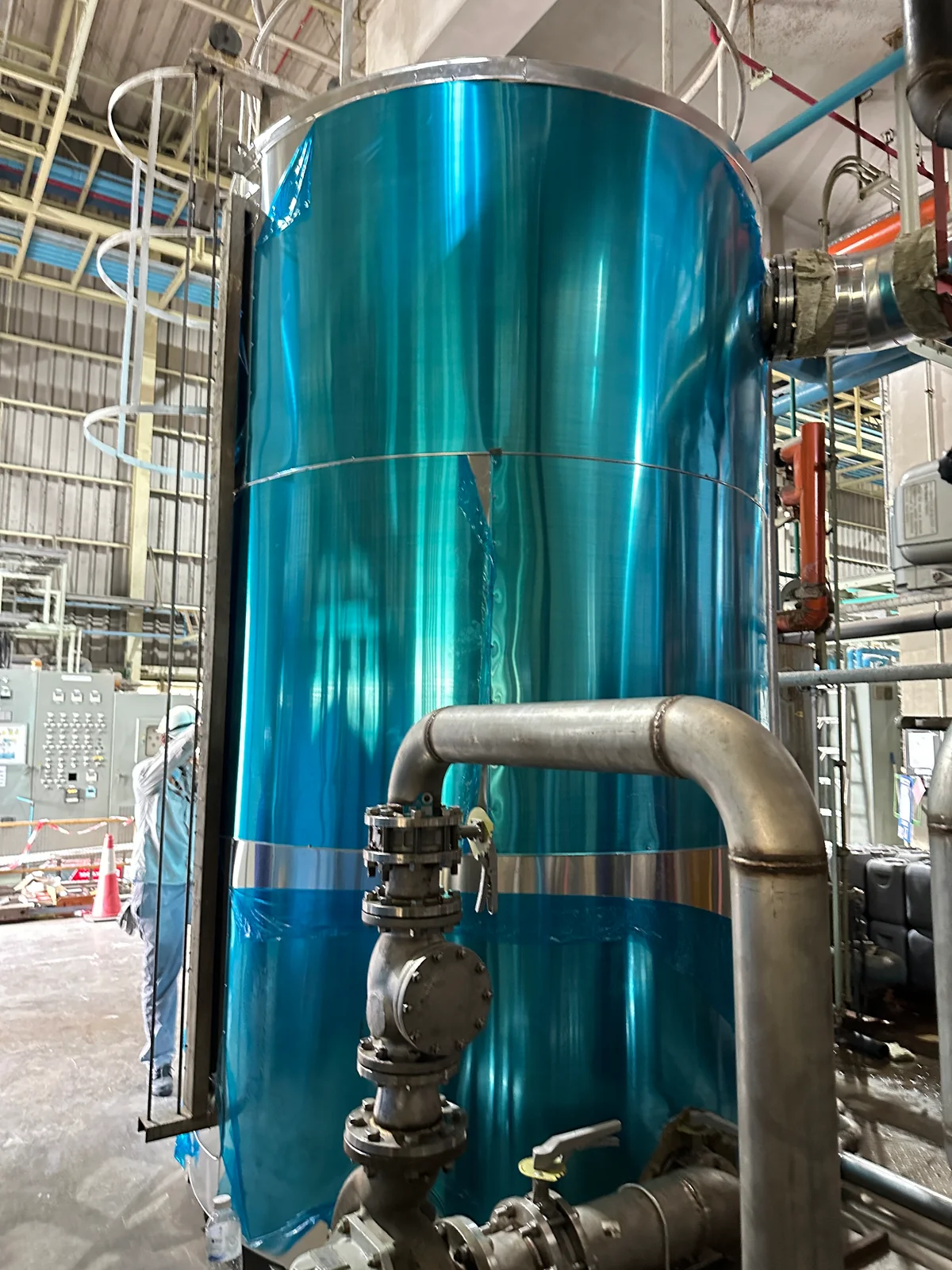
Insulating for Touch Safety
Beyond sizing thickness to the actual operating temperature, the outer surface should be protected with cladding (aluminium or stainless) to prevent the insulation from being damaged by impact or moisture, keeping it effective for its full service life. Points that need frequent access for maintenance — valves, flanges — are better served by a removable insulation jacket than by being left bare entirely, so they still block contact while remaining easy to open for servicing.
Summary
Touch safety is a separate criterion from energy-savings thickness, and deserves its own consideration anywhere workers regularly walk past or work near a hot tank. Centrotec’s team can advise on touch-safety insulation design, including removable jackets for points that need frequent maintenance access. Get in touch to discuss your system.