


Understanding Hot and Cold Insulation
- Real One
- Sep 5, 2025
- 4 min read

Industrial factories and businesses in Thailand face unique challenges when it comes to managing energy efficiency and protecting equipment. One critical aspect is choosing the right insulation to maintain temperature control. This post explains the fundamentals of thermal insulation, focusing on the differences between hot and cold insulation, and offers practical advice on selecting the best materials and methods for industrial applications.
The Importance of Thermal Insulation Solutions in Industry
Thermal insulation solutions play a vital role in industrial settings. They help maintain desired temperatures, reduce energy consumption, and protect machinery from damage caused by extreme heat or cold. Proper insulation also contributes to workplace safety by preventing burns or frostbite and reducing condensation that can lead to corrosion.
In factories, insulation is used on pipes, tanks, boilers, and other equipment. Without it, heat loss or gain can lead to inefficiencies and increased operational costs. For example, uninsulated steam pipes lose heat rapidly, requiring more fuel to maintain pressure. Similarly, refrigeration systems without proper insulation waste energy and risk product spoilage.
Investing in quality insulation materials and installation services can lead to significant savings and longer equipment life. It also supports environmental goals by lowering carbon emissions associated with excessive energy use.

Key Types of Thermal Insulation Solutions
Thermal insulation solutions vary depending on the temperature range and environment. The two main categories are hot insulation and cold insulation. Each serves a different purpose and requires specific materials and installation techniques.
Hot Insulation
Hot insulation is designed to retain heat within equipment or piping. It prevents heat loss, improves energy efficiency, and protects workers from burns. Common materials include:
Mineral wool: Resistant to high temperatures, fireproof, and sound-absorbing.
Calcium silicate: Durable and suitable for very high temperatures.
Ceramic fibre: Used in extreme heat applications like furnaces.
Hot insulation must withstand thermal expansion and mechanical stress. It is often covered with protective jacketing to prevent damage and contamination.
Cold Insulation
Cold insulation prevents heat gain and condensation on chilled surfaces. It is essential for refrigeration, air conditioning, and cryogenic systems. Materials used include:
Elastomeric foam: Flexible, moisture-resistant, and easy to install.
Polyurethane foam: High thermal resistance and structural strength.
Fibreglass with vapour barriers: Controls moisture and prevents corrosion.
Cold insulation requires vapour barriers to stop moisture ingress, which can cause insulation failure and corrosion under insulation (CUI).

What is the best insulation for cold and hot?
Choosing the best insulation depends on the specific industrial application, temperature range, and environmental conditions. Here are some guidelines:
Assess temperature requirements: Identify the maximum and minimum temperatures the insulation must handle.
Consider environmental factors: Humidity, exposure to chemicals, and mechanical wear affect material choice.
Evaluate installation constraints: Space limitations, accessibility, and maintenance needs influence the insulation system.
Prioritise energy efficiency: Select materials with high thermal resistance (R-value) to reduce heat transfer.
Ensure safety compliance: Use fire-resistant and non-toxic materials where required.
For hot applications, mineral wool and calcium silicate are reliable choices. For cold applications, elastomeric foam with a proper vapour barrier is often the best option. In some cases, combining materials can provide optimal performance.
Consulting with experts and suppliers like Centrotec can help identify the most suitable insulation products and installation methods tailored to your industrial needs.
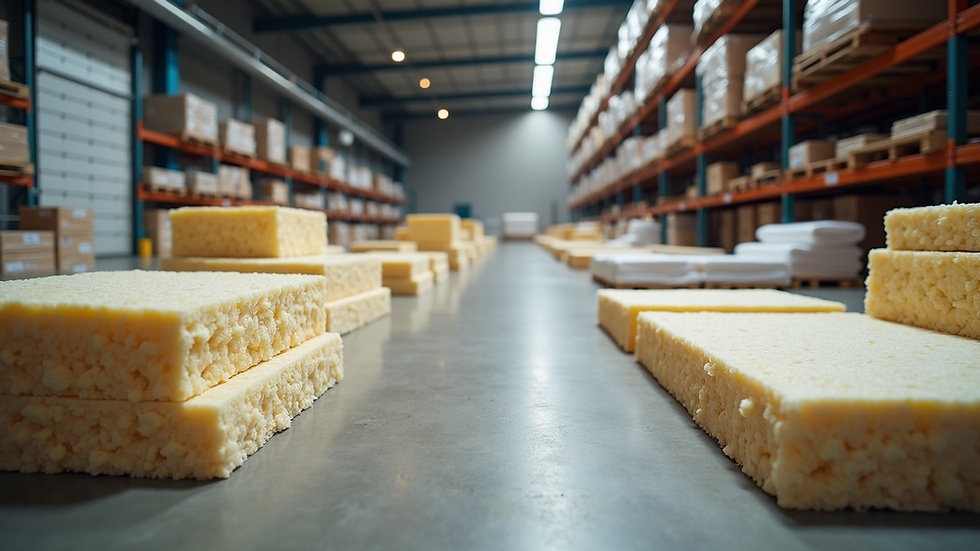
Practical Benefits of Using Quality Insulation
Implementing effective thermal insulation solutions offers several practical benefits for industrial businesses:
Energy savings: Reduces fuel and electricity consumption by maintaining temperature control.
Cost reduction: Lowers operational expenses related to heating and cooling.
Equipment protection: Prevents damage from thermal stress and corrosion.
Improved safety: Minimises risk of burns and frostbite for workers.
Environmental impact: Decreases greenhouse gas emissions by improving energy efficiency.
Regulatory compliance: Meets industry standards and local regulations for insulation and safety.
Regular inspection and maintenance of insulation systems ensure long-term performance. Damaged or degraded insulation should be repaired or replaced promptly to avoid energy loss and equipment issues.
How to Implement Effective Insulation in Industrial Settings
To maximise the benefits of thermal insulation, follow these steps:
Conduct a thermal audit: Identify areas with heat loss or gain and prioritise insulation needs.
Select appropriate materials: Match insulation types to temperature ranges and environmental conditions.
Hire professional installers: Ensure correct application and sealing to prevent gaps and moisture ingress.
Use protective jacketing: Shield insulation from mechanical damage and weather exposure.
Schedule regular maintenance: Inspect insulation for wear, moisture damage, and integrity.
Train staff: Educate workers on the importance of insulation and safe handling practices.
By following these guidelines, industrial businesses can improve energy efficiency, reduce costs, and extend the lifespan of their machinery.
For more detailed information on hot and cold insulation, Centrotec offers a range of high-quality products and expert installation services tailored to industrial needs in Thailand.
Thermal insulation is a critical component in industrial operations. Understanding the differences between hot and cold insulation, selecting the right materials, and implementing proper installation practices can lead to significant improvements in energy efficiency and equipment longevity. Investing in quality insulation solutions is a practical step towards sustainable and cost-effective industrial management.


Comments